LeTort Spring Run
Steeped in history and renowned for its challenging trout fishing, LeTort Spring Run is one of Pennsylvania’s most iconic limestone streams and a destination that holds a special place in American fly-fishing tradition. Named after James LeTort, a French-Swiss trader who settled near its headwaters in the early 18th century, the stream has a rich history that stretches back hundreds of years. During the 18th and 19th centuries, its cold, dependable waters powered numerous mills and supported local tanneries, helping shape the development of the surrounding Cumberland Valley. Today, LeTort is celebrated for an entirely different reason: its exceptional limestone-stream habitat and its reputation for producing some of the most elusive wild brown trout in the country.
Flowing through the historic landscape of Carlisle, LeTort Spring Run is a classic spring-fed limestone creek. Its steady groundwater influence helps maintain relatively consistent flows and temperatures, creating an environment well suited to trout and the aquatic insects they depend on. Overhanging vegetation, undercut banks, aquatic grasses, and deep, meandering bends provide cover for brown trout, while the stream’s rich insect life has long attracted anglers seeking technical and rewarding fly-fishing experiences.
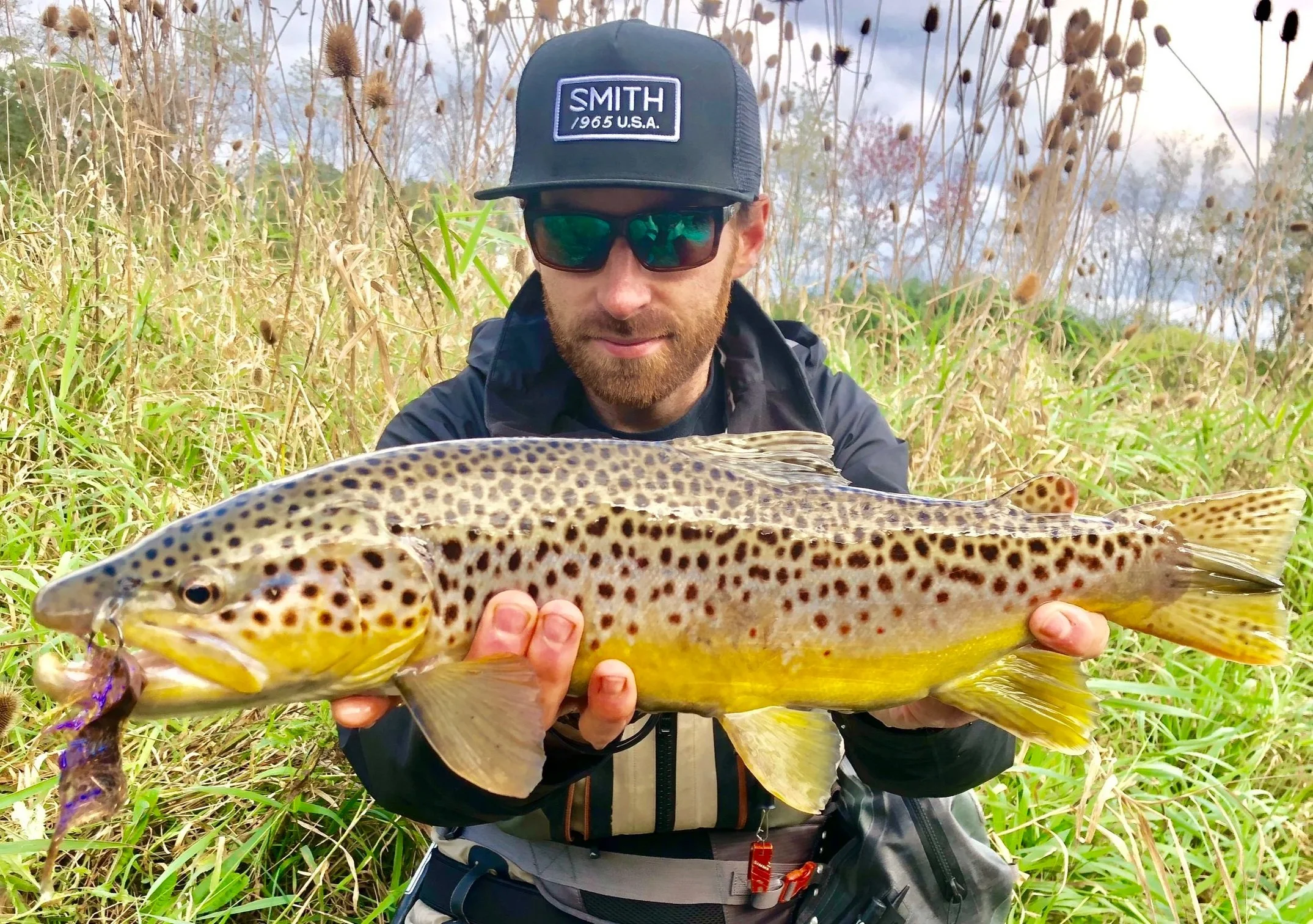
LeTort is particularly famous for its large, wild brown trout. These fish are not easily fooled. Years of fishing pressure, exceptionally clear water, and abundant natural food have made many of them remarkably selective and wary. A trout may reveal itself feeding confidently in a current seam, only to refuse several carefully chosen flies. Success often comes down to the smallest details: a delicate presentation, the right leader and tippet, accurate fly selection, and the ability to approach the water without disturbing the fish. For experienced fly anglers, these challenges are precisely what make LeTort so appealing.
Fly fishing on LeTort Spring Run rewards patience, observation, and a willingness to adapt. Small dry flies, emergers, and carefully presented nymphs can all be effective, depending on the season and the insects available. During a hatch, anglers may have the opportunity to target rising trout with precise imitations, while subsurface presentations can be productive when fish are feeding below the surface. Low-profile approaches, accurate casts, and thoughtful drifts are essential in this intimate stream, where trout can be quick to detect anything unnatural. LeTort is less about covering water quickly and more about studying individual fish, understanding their feeding behavior, and earning every opportunity.
The stream has also earned a place in modern fly-fishing culture. LeTort Spring Run was featured in the companion television series to the book Fifty Places to Fly Fish Before You Die, helping introduce its distinctive character and challenging trout to a broader audience. Although the prolific hatches and fishing conditions of earlier eras have changed, LeTort remains an important destination for anglers who appreciate the history, complexity, and traditions of limestone-stream fly fishing.
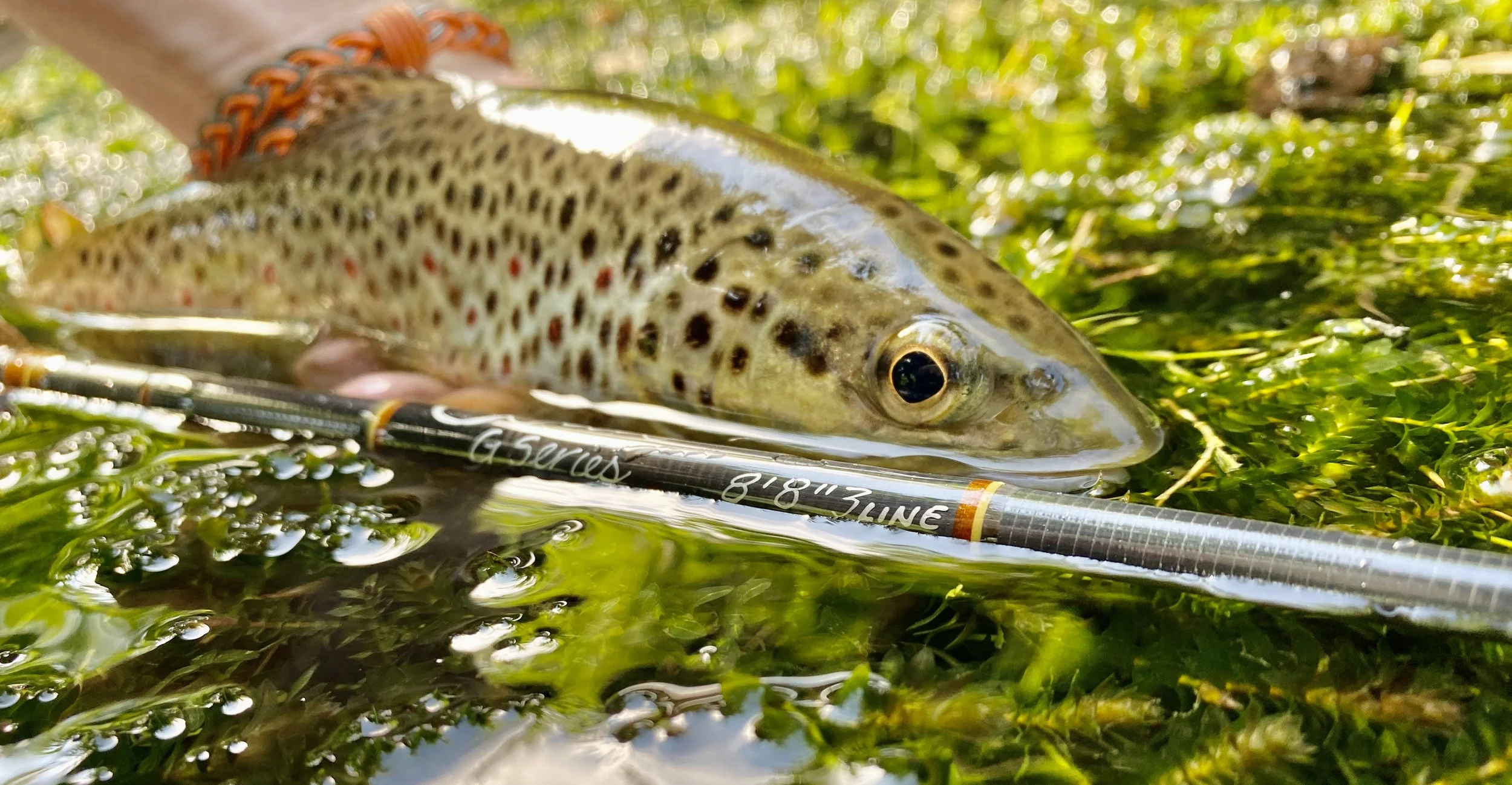
What makes LeTort truly special is that the experience extends well beyond the possibility of catching a trophy. Its historic surroundings, cold spring water, and reputation for selective wild trout create an atmosphere unlike that of many other Pennsylvania fisheries. Every pool offers a chance to observe, learn, and refine your technique, and even a brief encounter with one of its beautiful brown trout can become a lasting memory.
For anglers looking to test their skills on a legendary Pennsylvania trout stream, LeTort Spring Run offers a genuine challenge. Whether you’re pursuing a rising fish with a tiny dry fly or carefully working a nymph through a shaded run, fishing LeTort is an exercise in precision, patience, and appreciation for the finer details of fly fishing. It’s a stream that reminds us that the most rewarding days on the water aren’t always measured by the number of fish caught, but by the experience of pursuing them